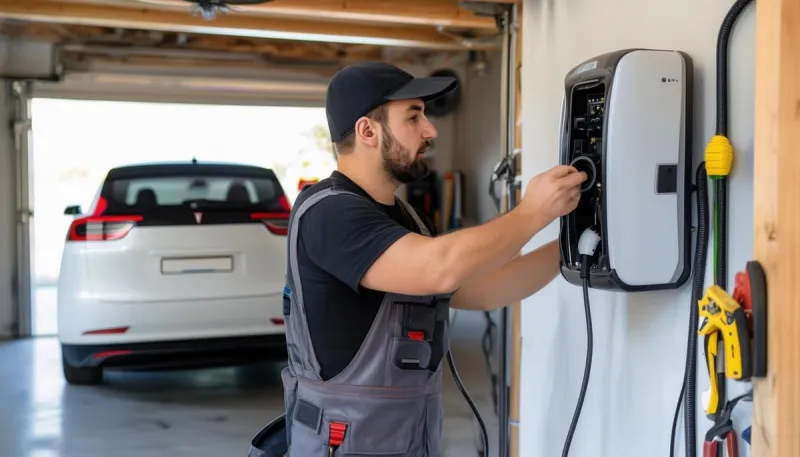
The Rise of the One-Person Empire: America's Solo Service Operators Are Quietly Taking Over
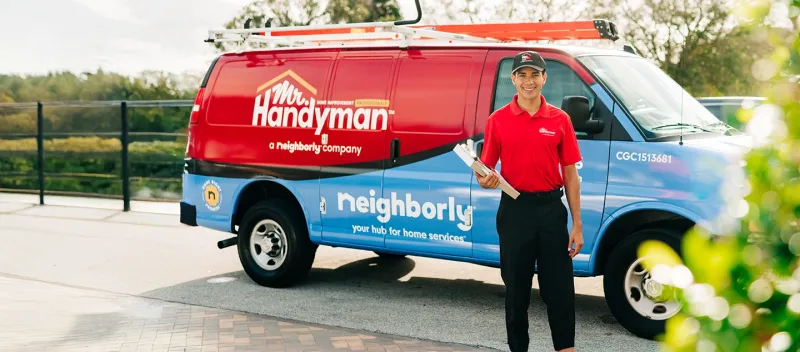
Photo: handyman working alone from service van residential driveway, via dig-www-nei-mrh2.nblyprod.com
Drive through any suburban neighborhood on a Saturday morning and you'll spot them: a single van emblazoned with a hand-lettered logo, a mobile detailing rig parked in a driveway, a grooming trailer humming outside a client's garage. America's local service economy increasingly runs on operations of exactly one person, and their numbers keep climbing.
A Workforce of One
Independent handymen, solo mobile pet groomers, freelance appliance technicians, one-truck lawn care operators—these businesses represent a significant share of the residential service market. Some left franchise systems to keep more of what they earn. Others never intended to build anything bigger than themselves. Either way, they've become the default option for millions of homeowners who want direct access to the person actually doing the work.
The economics explain the trend. A solo operator carries no payroll, no corporate office, and no layers of management. That lean structure often translates into lower prices than franchise competitors and, frequently, faster scheduling. When the owner answers the phone, estimates happen quickly and accountability is immediate.
What Homeowners Gain
Hiring a one-person operation means hiring the business itself. There's no salesperson handing the job to a crew you've never met, no rotating cast of technicians learning your property from scratch. The person who quotes your deck repair is the person holding the saw. For many consumers, that continuity is worth as much as price.
Solo operators also tend to depend entirely on reputation. A franchise can absorb a bad review; a one-person business lives and dies by word of mouth in a single zip code. That pressure often produces exceptional care.
The Risks Worth Understanding
The same structure that creates advantages also creates exposure. A solo operator who becomes ill, injured, or overbooked has no one to send in their place. Capacity is finite—one emergency job can push your project back by weeks.
Insurance and licensing are the other fault lines. Larger companies typically carry general liability coverage and workers' compensation as a matter of policy. A solo operator may carry neither, and if a ladder comes down on your fence—or on the operator—the financial consequences can land on the homeowner. Verifying coverage isn't distrust; it's due diligence.
How to Vet a Solo Operation
A brief vetting routine separates the professionals from the improvisers:
- Ask for proof of general liability insurance and confirm it directly with the carrier if the job is substantial.
- Verify any required state or municipal license, particularly for electrical, plumbing, and HVAC work.
- Request three recent references and actually call one or two.
- Clarify the backup plan—what happens if illness or a prior job delays your project?
- Get the agreement in writing, including scope, materials, timeline, and payment schedule.
- Notice the business basics: a dedicated phone number, a written estimate, and a professional invoice signal someone who has built a real operation.
A Structural Shift, Not a Fad
The growth of solo service businesses reflects broader changes in how Americans work and where they spend. For consumers, the rise of the one-person empire expands choice—but choice rewards the prepared. A few pointed questions up front let you enjoy the personal attention of a solo professional while avoiding the vulnerabilities that come with a workforce of one.